
 See My Latest Article on HelloNation
If you live in Big Spring, TX, you know just how precious water is. Our beautiful West Texas community is famous for its striking prairie landscapes, but it is also known for its hot summers, low annual rainfall, and recurring droughts. As such, creating a drought-resistant landscape is both a practical necessity and a chance to have a vibrant, beautiful yard that stands out—without draining our most precious resource.
In this detailed guide, you'll learn everything you need to know about designing a drought-resistant landscape that’s perfect for the climate, lifestyle, and spirit of Big Spring, TX.
Why Choose Drought-Resistant Landscaping in Big Spring?
Big Spring residents embrace a lifestyle where outdoor living, barbecues, and family gatherings in the yard are common. However, water restrictions and extended dry spells can make traditional lawns hard to maintain and environmentally unsustainable. Drought-resistant landscaping—also called xeriscaping—offers the following benefits:
- Lower water bills and less maintenance
- Greater resilience through drought cycles
- A distinctive, Texas-proud look that complements native surroundings
- Contributes to local conservation efforts
Understanding the Big Spring Climate
Located at the edge of the Permian Basin, Big Spring has a semi-arid climate. You can expect:
- Hot summers, with temperatures regularly over 95°F
- Low annual rainfall, averaging 20 inches or less
- Windy conditions that dry out soil quickly
Drought-resistant landscaping is ideal for handling these challenges and maintaining a lush, inviting outdoor space year-round.
Planning Your Waterwise Landscape
The foundation of a successful drought-resistant yard is careful planning. Here are the key steps:
1. Analyze Your Site
Start by studying your yard:
- Which areas get full sun versus partial shade?
- Where does water collect, and where does it quickly run off?
- What is your current soil type (sandy, clay, loam)?
A soil test kit from your local garden center or Texas A&M AgriLife Extension can help you determine if you’ll need to amend your soil for better drainage and water retention.
2. Create a Design Blueprint
A good xeriscape integrates both hardscape and softscape elements:
- Use local stone, gravel, or decomposed granite for pathways and patios (less mowing and sprinkling!)
- Plan mulched planting beds and native plant groupings that reduce open soil surface
- Incorporate shade structures or pergolas to provide relief from sun and lower evaporation
Choosing Drought-Tolerant Plants for Big Spring
Plant selection is the heart of a drought-resistant landscape. Here are some drought-tolerant favorites popular in Big Spring and throughout West Texas:
- Buffalograss – The ultimate turf alternative, native to Texas and uses a fraction of water compared to traditional grass
- Purple Sage (Leucophyllum frutescens) – With silver foliage and purple blooms, it’s a West Texas classic that thrives on neglect
- Red Yucca (Hesperaloe parviflora) – Adds spiky texture and coral flowers to your landscape; attracts hummingbirds
- Russian Sage – An aromatic perennial with wispy blue flowers ideal for sunny, dry sites
- Texas Lantana – Heat-loving and colorful, it draws butterflies and thrives with little water
Group plants according to their water needs, placing thirstier species in spots where rainwater naturally collects and hardy natives in the driest sunnier areas.
Soil Preparation and Mulching
Soil health is critical for waterwise gardens. If your soil is sandy or caliche-heavy, mix in organic compost to improve moisture retention. Adding 2-4 inches of natural mulch (like shredded bark, wood chips, or even gravel) around your plants will:
- Suppress weeds
- Reduce evaporation
- Cool the soil
- Add organic matter as it breaks down
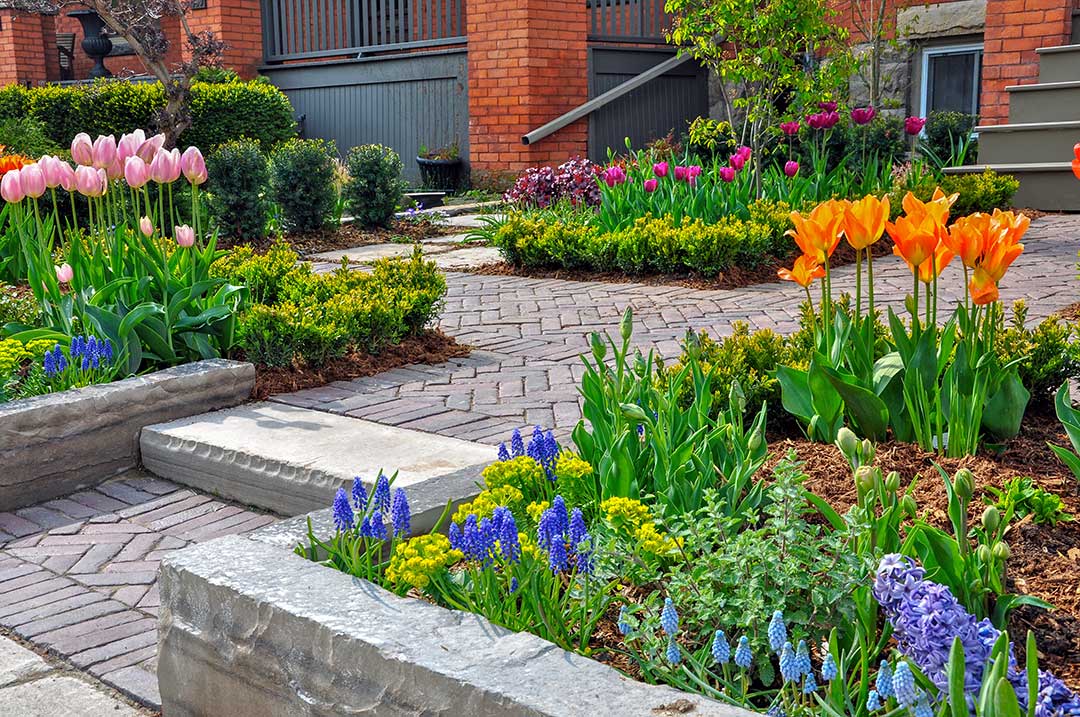
Mulching is especially crucial under West Texas sun and wind.
Smart Irrigation Techniques
A drought-resistant landscape does not mean no irrigation—it means efficient irrigation.
- Install a drip irrigation system or soaker hoses to target plant roots directly
- Water early in the morning or late in the evening to prevent evaporation
- Use rain barrels or cisterns to harvest rainwater from your roof for use during dry spells
- Adjust your watering schedule throughout the year; established natives may need water only a few times per month in summer
Hardscaping and Functional Beauty
A Big Spring lifestyle means hostings friends, grilling, and enjoying the great outdoors. Drought-resistant design can enhance your usability:
- Build stone or gravel seating areas for outdoor dining and relaxing
- Add shaded retreat spots with pergolas or fabric sails
- Incorporate decorative boulders or rustic art to highlight the Texan spirit in your backyard
Hardscaping elements reduce the space that needs water and maintenance while providing all-season gathering spots.
Maintenance Tips for Drought-Resistant Landscapes
While xeriscapes are lower maintenance, they aren’t completely maintenance-free. Here’s how to keep yours in top shape:
- Check your drip irrigation system seasonally for blockages or leaks
- Refresh mulch annually to maintain its benefits
- Prune native shrubs and perennials as recommended, especially after blooming cycles
- Weed occasionally, especially in the first year as plants fill in
Combining Beauty and Sustainability
A drought-resistant landscape proves you don’t have to sacrifice beauty for sustainability. With bold colors, interesting foliage, and a unique blend of hardscape and native plants, your yard will reflect the rugged elegance of the Big Spring region.
By making smart plant choices and rethinking your approach to water use, you can enjoy a thriving, attractive outdoor space that’s designed for the climate and character of West Texas.
Conclusion
Big Spring’s climate doesn’t mean you have to give up on a green, lush, and inviting yard. It simply requires an updated approach that conserves water, saves you time and money, and looks amazing all year long. Start with a thoughtful design, invest in the right plants, and enjoy the sustainable beauty and practical benefits of a drought-resistant landscape right at home.