

 See My Latest Article on HelloNation
What does eco-friendly landscaping mean in Big Spring, TX?
Eco-friendly landscaping means designing and maintaining a yard that uses less water, supports healthy soil, reduces waste, and fits local growing conditions. In Big Spring, TX, this approach is especially practical because the climate is warm and dry, rainfall is limited, summer heat can be intense, and wind can quickly dry exposed soil.
A sustainable landscape does not have to look barren or completely eliminate grass. It can include shade trees, flowering plants, a small lawn area, vegetable beds, gravel, mulch, and spaces designed to capture rainfall. The goal is to place each feature where it can perform well with fewer inputs.
Which plants are most suitable for a water-conscious yard?
The most reliable choices are plants adapted to heat, wind, alkaline or compacted soil, and periods of dry weather. Native plants are often useful because they are connected to local conditions, but “native” does not automatically mean a plant will thrive in every yard. Sun exposure, drainage, soil depth, and winter temperatures still matter.
Useful categories include:
- Drought-tolerant shrubs such as Texas sage and other regionally adapted evergreen shrubs
- Heat-tolerant flowering plants such as lantana, penstemon, desert zinnia, and blanket flower
- Structural plants such as yucca, agave, prickly pear, and red yucca
- Native or well-adapted grasses that provide texture without requiring a constantly green lawn
- Shade trees selected for adequate mature size, strong branching, and tolerance of local conditions
Check the mature height and spread before planting near foundations, sidewalks, overhead wires, or septic systems. A plant that stays small at the nursery may eventually require severe pruning or removal if placed too close to a structure.
It is also helpful to group plants according to their water needs. Turfgrass, vegetables, shrubs, and desert-adapted plants should not automatically share the same irrigation zone. Separate planting areas make it easier to water efficiently and avoid overwatering plants that prefer dry soil.
How can homeowners reduce outdoor water use?
The biggest savings usually come from changing how water is applied rather than simply watering less often. Water slowly and deeply when plants need it, then allow the upper soil surface to dry between watering sessions for plants that tolerate dry conditions.
Water early in the morning when evaporation is lower. Avoid irrigating during strong wind, which can carry water onto pavement or neighboring property. Sprinkler heads should be checked regularly for clogged nozzles, broken parts, overspray, and uneven coverage.
Drip irrigation can work well for planting beds, shrubs, and individual trees because it places water near the root zone. It still requires inspection. A damaged emitter or disconnected line can waste water for weeks without being obvious.
Use a soil moisture check before turning on irrigation. Push a screwdriver or similar tool into the soil near the plant, or dig a small test area with a hand trowel. If the soil is still moist several inches below the surface, additional water may not be necessary.
Local water restrictions can change as supply and demand conditions change. Residents should confirm current rules before operating automatic irrigation systems. Conservation methods are useful year-round, but they become especially important during drought response stages.
Does replacing grass always make a yard more sustainable?
No. Removing grass can reduce water use, but replacing it with bare gravel, plastic landscape fabric, or large areas of decorative rock is not automatically environmentally friendly. Bare surfaces can become very hot, reflect heat toward walls, and provide little habitat or soil improvement.
A better approach is to keep lawn only where it is useful, such as a play area or frequently used sitting space. Reduce irregular corners and narrow strips that are difficult to irrigate efficiently. Replace unnecessary turf with layered planting beds, mulch, permeable paths, or ground covers suited to the site.
If grass remains, mow at the highest practical setting for that grass type. Taller blades shade the soil and may reduce moisture loss. Avoid removing more than one-third of the blade height at a time, and leave healthy clippings on the lawn unless they are excessive or diseased.
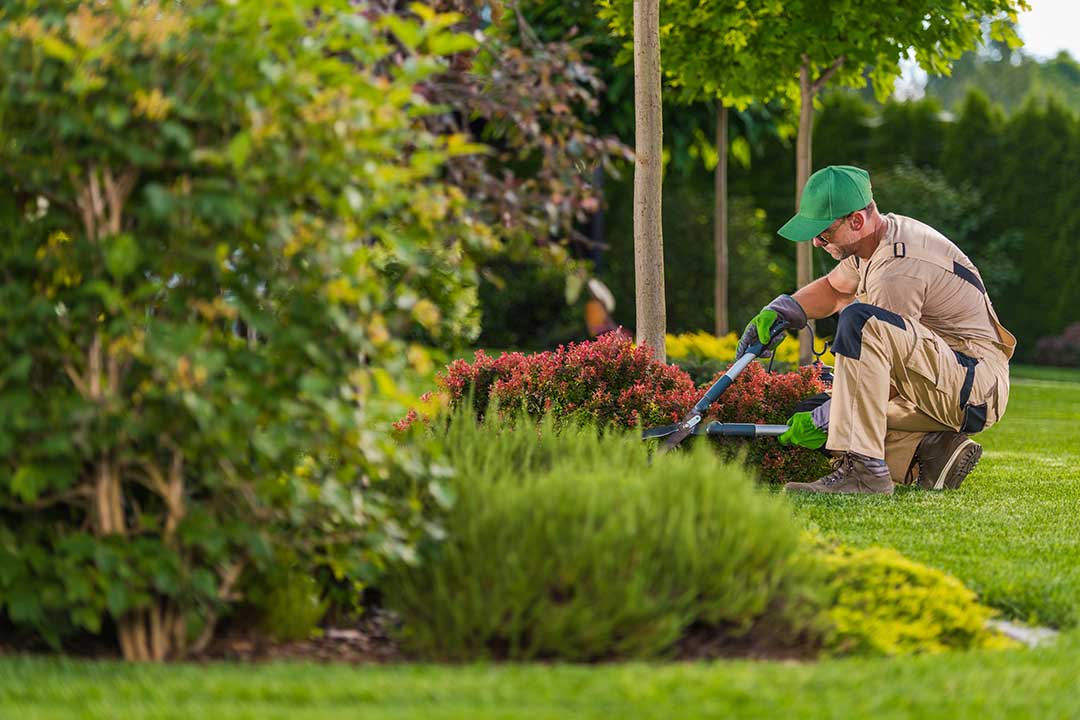
A mixed landscape often performs better than an all-lawn yard because different plants can occupy different conditions. Turf in full sun, shade trees near the hottest walls, and low-water plants in exposed beds can each be managed according to their actual needs.
How do mulch and soil improvements help?
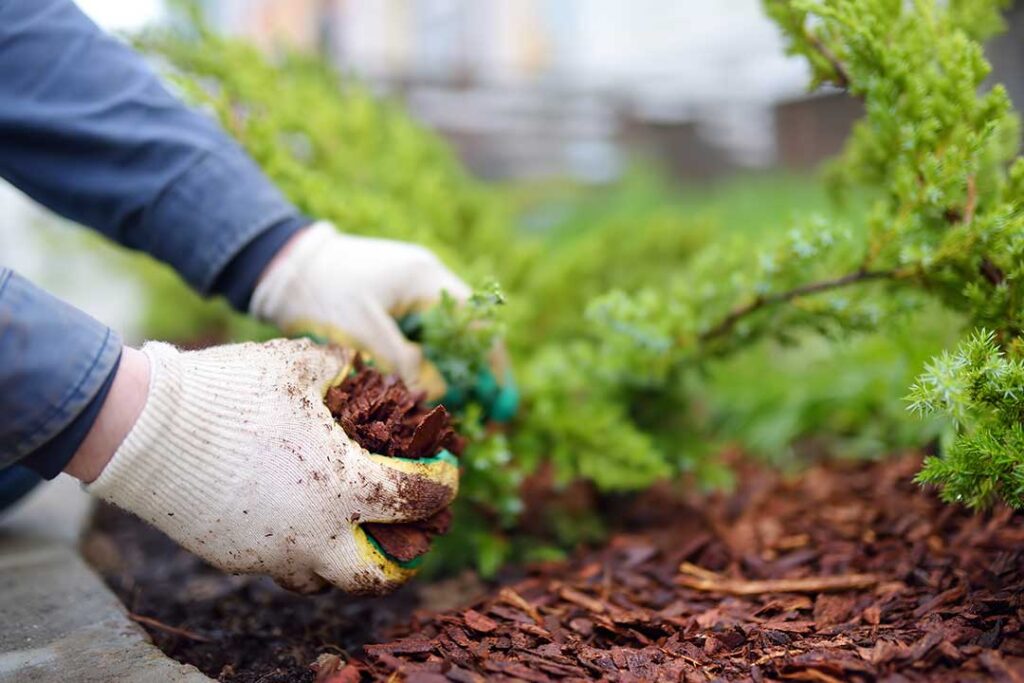
Mulch reduces evaporation, moderates soil temperature, slows erosion, and helps limit weed growth. Organic mulch such as shredded wood or composted material can also add organic matter as it breaks down. Rock mulch can be useful in dry plantings, but it does not improve soil and may increase heat around plants.
Apply mulch several inches deep, keeping it away from tree trunks, shrub stems, and the base of building walls. Mulch piled against a trunk can hold moisture against the bark and encourage decay or pest problems.
Many yards in the area contain compacted soil or layers of caliche that limit root growth and drainage. Compost can improve the upper soil layer, but it cannot solve every drainage problem. Do not bury hard, impermeable soil under a thin layer of topsoil and expect plants to grow normally.
Before planting, observe where water moves during a storm. Low spots may need plants that tolerate occasional wet conditions, while raised or sloped areas may need extra organic matter and careful establishment watering. Improving soil in planting beds is usually more effective than amending an entire property.
Can rainwater harvesting help a residential landscape?
Yes. Rainwater can be collected from roof gutters and stored for later use on suitable landscape plants. Even a simple barrel or covered container can provide water for small beds after a storm, although storage capacity is limited.
Rainwater harvesting works best when the system is secure, screened, and protected from mosquitoes, children, and animals. Stored water should not be allowed to stagnate, and containers should be placed on stable, level surfaces.
Rain gardens and shallow infiltration areas can also help slow runoff. These areas are planted with species that tolerate temporary moisture followed by dry conditions. They should be located away from foundations and designed so water does not remain against structures.
Because rainfall can arrive in short, intense events, the most useful design is often one that spreads water across planted areas instead of allowing it to rush down a driveway or sidewalk.
What maintenance practices reduce chemicals and waste?
Healthy plants are less likely to require frequent pesticide or fertilizer applications. Use the least amount of fertilizer needed, and avoid applying it before heavy rain or during extreme heat. Excess nutrients can move off-site with runoff or encourage weak, overly rapid growth.
Inspect plants regularly for early signs of stress, but do not treat every insect as a pest. Some insects are harmless or beneficial. Remove badly damaged plant parts, improve watering practices, and identify the cause of a problem before applying any treatment.
Compost leaves, small branches, and untreated plant trimmings when practical. Use fallen leaves as a thin mulch layer in appropriate beds rather than sending all organic material away. Avoid composting diseased plants, invasive weeds with mature seed, pet waste, or chemically treated materials.
Sustainable landscaping is also about selecting the right scale. A smaller, healthy planting area is usually more environmentally responsible than a large yard that depends on constant irrigation, frequent mowing, and repeated chemical treatments.
What is a practical first step?
Start with an audit of the existing yard. Identify areas that receive full sun, afternoon shade, reflected heat, runoff, or strong wind. Check irrigation coverage, look for leaks, and note which plants are thriving without extra water.
Then make changes in stages:
- Repair irrigation leaks and eliminate overspray.
- Replace failing plants during an appropriate planting season.
- Add mulch to exposed soil.
- Reduce lawn only where it is difficult to maintain.
- Group plants by water needs.
- Add shade and rainwater-capture features gradually.
This measured approach keeps useful features, avoids unnecessary removal, and allows each change to be tested before expanding it across the property.