

 See My Latest Article on HelloNation
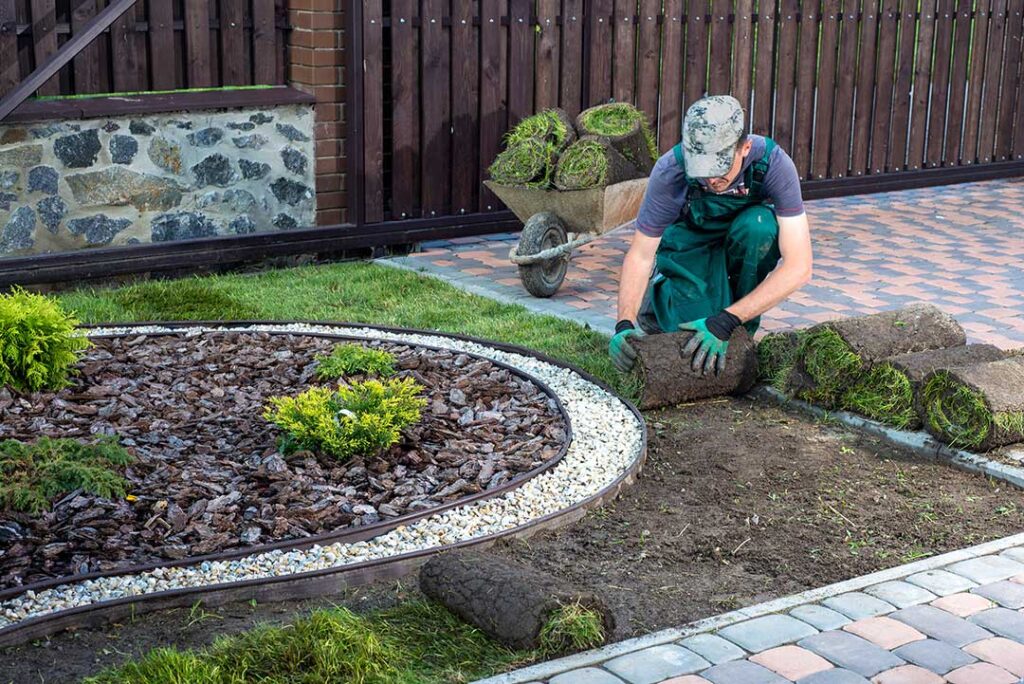
Why Does Mulch Matter in Big Spring, TX Gardens?
Mulch helps retain soil moisture, prevent weed growth, and moderate soil temperature—all major concerns for gardens in the hot, dry climate of Big Spring, TX. With summer highs often reaching well above 90°F and frequent periods of drought, effective mulch choices can mean the difference between thriving landscapes and struggling beds.
Locally, most residential gardeners use mulch in flower beds, around shrubs, and even under shade trees. The right mulch can also help reduce the frequency of watering, an important consideration given the area’s occasional watering restrictions and the desire to conserve resources.
What Types of Mulch Are Commonly Used?
There are two main categories of mulch: organic and inorganic. Each has advantages and drawbacks for local gardens.
Organic Mulch: This includes materials that decompose over time and add nutrients to the soil.
- Shredded bark (such as pine or hardwood)
- Wood chips (often from trimmings or municipal recycling programs)
- Pine needles
- Grass clippings and leaves (from lawn maintenance)
- Compost
Inorganic Mulch: These do not break down quickly, lasting several seasons.
- Gravel and small rock
- Rubber mulch
- Landscape fabric (often topped with a layer of stones)
In Big Spring, organic options remain popular for garden beds and veggie patches, while inert materials are commonly seen in xeriscapes or around walkways.
Which Mulch Helps Retain Moisture Best in a Dry Climate?
Mulches that form a dense, insulating layer are best for reducing evaporation in Big Spring’s arid conditions.
- Shredded bark and wood chips offer excellent moisture retention, especially if laid two to three inches deep.
- Pine needles are also effective, adding some natural acidity—a bonus for azaleas or blueberries, but less ideal for alkaline-soil lovers.
- Grass clippings work if dried first; fresh clippings can mat and heat up, risking unwanted fungal growth.
Inorganic options like gravel may not offer the same moisture conservation, but they do reduce surface evaporation in areas with drought-tolerant plants.
Are There Mulches to Avoid in Big Spring, TX Gardens?
Some materials are less suitable due to local pests, weather, or soil conditions.
- Un-composted manure or unfinished compost can introduce weeds or fertilizers in excess, leading to imbalances.
- Sawdust tends to rob soil of nitrogen and can compact, leading to water runoff issues.
- Thick layers of grass clippings can rot and produce unpleasant odors unless dried first.
- Colored mulches (often made with recycled materials) sometimes contain dyes or contaminants if not carefully sourced; over time, wind may also blow lighter pieces out of beds in exposed areas.
Avoiding these pitfalls keeps local beds both attractive and lower-maintenance.
How Thick Should Mulch Be Applied in This Area?
A mulch layer that is too thin quickly breaks down in local conditions, while one that is too thick may suffocate plant roots or invite pests. The sweet spot:
- For wood or bark-based mulches, 2 to 3 inches deep
- For finer materials (like compost), 1 to 1.5 inches
- When using stones, 1 to 2 inches suffices for coverage without overheating the soil
Always keep mulch a few inches away from trunks and stems to prevent rot.
Can Mulch Reduce Weeding and Maintenance?
Used correctly, mulch is a reliable tool for suppressing weeds and reducing the time needed for garden upkeep.
- Dense mulch layers block sunlight essential for weed sprouting
- Organic materials break down to enrich the soil, improving structure and fertility for long-term benefit
- Inorganic mulch is ideal for high-traffic areas where frequent replacement isn’t practical
Consistency is key—replenish organic mulch yearly, while inorganic materials usually only need occasional top-off or cleaning.
Should I Worry About Mulch and Local Pests?
Mulch can sometimes attract pests such as termites, ants, or slugs. In Big Spring, dry conditions reduce slug risk, but termite activity can be a concern around wood-based mulches near house foundations.
- Maintain a gap between mulch and building foundations, wood siding, or fencing, especially within a few feet of the home
- Avoid piling mulch deeply, which might shelter insects
- Turn or thin out mulch occasionally to prevent harboring pests
Choosing hardwood over softwood bark may help in areas with known termite challenges.
How Does Local Soil pH Affect Mulch Choice?
Big Spring soils are generally alkaline. Most organic mulches have only a modest effect on soil pH, but pine needles or peat-based mulches can raise acidity slightly over time. For most ornamentals and shrubs, the impact is negligible; with specialized plants, like blueberries, slightly acidic mulch can be beneficial. For lawns or veggie beds, stick to neutral materials like shredded leaves, wood chips, or compost.
What Are Some Lesser-Known Tips for Successful Mulching?
- Water the soil before mulching; dry soil can prevent mulch from settling and doing its job.
- Refresh or fluff existing mulch at least once a season to prevent compaction and allow air to reach the soil.
- Consider mulching paths between vegetable rows to reduce mud and erosion during thunderstorms or irrigation.
Local gardeners sometimes overlook less conspicuous mulching practices—such as composted leaves in shade areas or using mulch to insulate the roots of perennial ornamentals from harsh winter winds.
Do Local Regulations Impact Mulching Practices?
While there are no specific restrictions on mulch types for homes in Big Spring, residents are encouraged to consider firewise gardening practices in areas prone to wildfires. This means using non-flammable materials near structures or reducing thick layers of woody mulch immediately adjacent to buildings. Observing city guidelines for organic waste can also guide mulching decisions, supporting sustainability and compliance with local waste disposal norms.