
 See My Latest Article on HelloNation
What Is Edible Landscaping?
Edible landscaping involves designing your home garden so that many of the plants provide food as well as aesthetic value. Instead of traditional ornamentals alone, homeowners use fruit trees, vegetable plants, herbs, and edible flowers to create a productive and visually pleasing yard.
This approach appeals to those who want to make the most out of limited space, reduce grocery bills, and have better control over the food they eat. In arid and semi-arid places like Big Spring, thoughtful plant choice is key due to limited rainfall and persistent heat.
Which Edible Plants Grow Well in Big Spring's Climate?
Gardeners here benefit from selecting varieties adapted for hot, dry summers and mild winters. Most plants will need regular watering, but drought-tolerant choices are available.
Common options for edible landscaping in this region include:
- Fig trees — Adapt well to heat and dry spells; usually require little maintenance once established.
- Pomegranate — Hardy, attractive, and reliable fruit growers in dry conditions.
- Herbs like rosemary, sage, oregano, and thyme — Thrive in full sun and tolerate infrequent watering.
- Okra, peppers, and squash — Summer vegetables that handle heat and produce throughout the season.
- Swiss chard, kale, and collard greens — Can offer year-round leafy harvests and tolerate variable temperatures.
- Grapes or muscadines — When given sturdy support, can be highly productive.
Many traditional fruits like apples or peaches also grow, but often require more attention and careful selection of disease-resistant varieties. Using native or adapted cultivars helps reduce water and chemical use.
How Can Edible Plants Be Used for Curb Appeal?
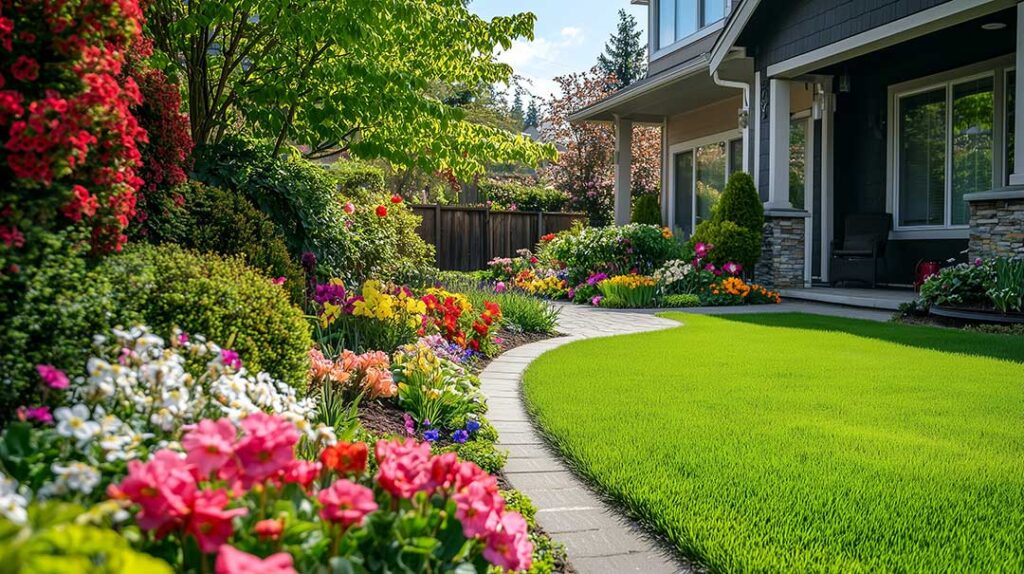
Edible landscaping does not have to look like a traditional vegetable patch. With some basic strategies, edible gardens can look just as attractive as ornamental ones.
Ways to blend beauty and utility:
- Line walkways with colorful lettuces or kale for a ruffled, unusual border.
- Use blueberry or pomegranate as foundation shrubs, which offer spring blooms and interesting foliage in addition to fruit.
- Plant a dwarf fruit tree instead of a typical shade tree for seasonal interest.
- Use rosemary or lavender along driveways or low hedges for year-round greenery and fragrance.
- Edge flower beds with strawberry plants, which offer ground cover, spring flowers, and midseason berries.
Combining forms, textures, and colors creates an inviting look while providing homegrown food.
How Much Maintenance Is Needed?
Edible landscapes usually require a bit more attention than purely ornamental yards, especially in early stages. However, smart design choices can keep upkeep manageable.
Essentials for a successful edible landscape:
- Regular watering — Drip irrigation or soaker hoses are especially helpful in this climate.
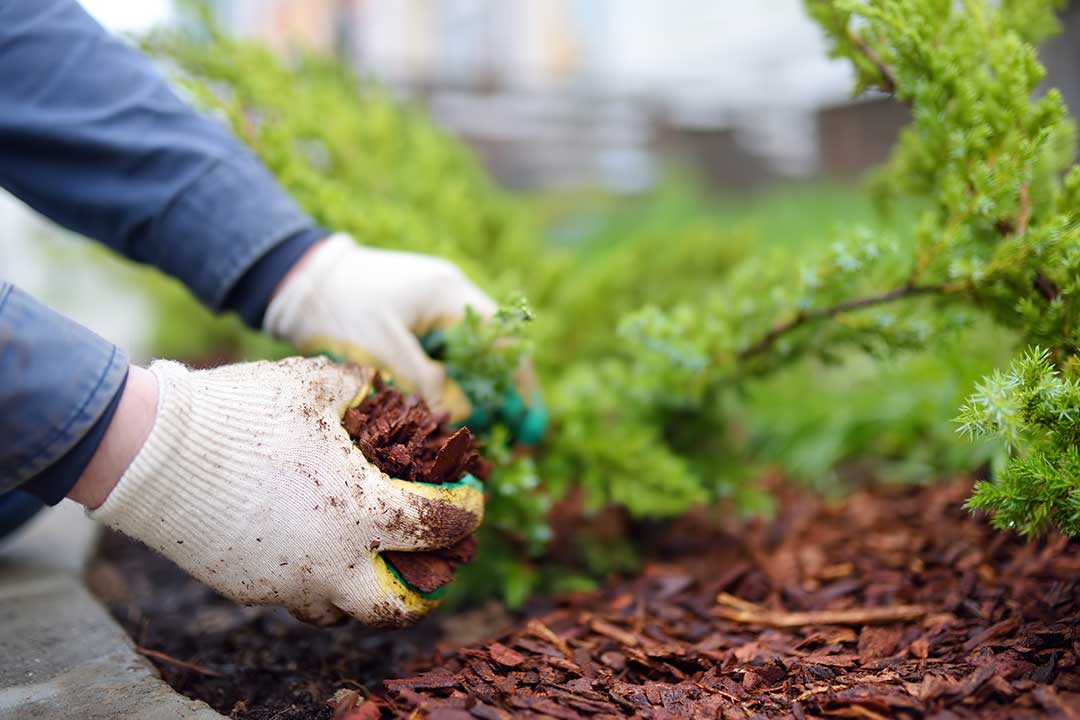
- Mulching — Reduces evaporation and keeps soil temperatures stable.
- Pruning — Fruit trees and berry bushes need annual pruning for health and productivity.
- Fertilizing — Edibles deplete nutrients more quickly; periodic compost or slow-release fertilizer helps.
- Seasonal planting — Many crops are planted and harvested at specific times; use a local planting calendar to stay on track.
Many area residents are surprised by how easy herbs, some fruits, and certain greens are once established. Over time, some plants can naturalize, reducing work further.
Are There Misconceptions About Growing Food at Home?
A common myth is that edible landscaping is messy or less appealing than traditional yards. In reality, with intentional design, these landscapes can look orderly and well-kept.
Another misconception is that all crops are water-hungry or require constant work. Many perennial herbs, fruit trees, and drought-tolerant vegetables thrive with only occasional supplemental watering—especially once mature.
It's also easy to overestimate space needs. Many edibles can be grown in small beds, containers, or mixed in with ornamentals, making this approach practical even for modest yards.
What Local Factors Should Beginners Consider?
In Big Spring, gardens face significant sun, heat, and wind. Here are locally relevant tips for success:
- Site selection is crucial – place edible plants where they'll get morning sun and some afternoon shade if possible.
- Protection from wind and late frosts can extend the harvest season. Temporary covers or windbreaks help sensitive plants.
- Soil in this region often needs organic matter to retain water and support healthy roots. Mix in compost before planting.
- Water wisely – use mulch, water early in the day, and consider harvesting rainwater for supplemental irrigation.
Awareness of city guidelines around front yard plantings, tree types, and water use can prevent future headaches. Most neighborhoods are supportive of neat, productive landscapes, but it’s wise to check any homeowner association rules in advance.
Where Can Residents Learn More About Edible Landscaping?
Those interested in deeper knowledge can connect with local gardening groups, extension offices, or public workshops. Regional plant guides and demonstration gardens offer hands-on ideas for layout and plant selection appropriate for this part of Texas.
For anyone starting out, it's often best to begin with a few hardy herbs or a small berry patch. Expanding gradually as confidence grows allows gardeners to enjoy both the beauty and bounty of edible landscaping, tailored to the unique climate and character of the city.