
 See My Latest Article on HelloNation
What’s the Purpose of a Raised Garden Bed?
A raised garden bed is simply a contained area of soil elevated above ground level, usually for growing vegetables, herbs, or flowers. In Big Spring, raised beds help local gardeners manage soil quality and drainage—common concerns given the region’s clay-heavy soil and inconsistent rainfall.
Creating a defined border keeps weeds and unwanted grasses at bay, makes planting more accessible (especially for those with limited mobility), and can extend the gardening season, since the soil warms up faster in spring.
What Materials Work Best for Raised Beds in Big Spring?
Simple, durable choices like untreated cedar or pine, reclaimed bricks, or cement blocks work well for area residents. Avoid railroad ties or pressure-treated lumber for edible gardens, as they may leach chemicals into the soil.
In the city’s semi-arid climate, wooden beds typically last 5–8 years, especially when built with wider, thicker boards. Some local gardeners repurpose galvanized steel or stone, both of which withstand the dry, sun-intense conditions but may require gloves during summer as they can heat up.
- Typical size: 4 feet wide by 8 feet long, 10–12 inches deep
- Tools: hand saw or circular saw, cordless drill, exterior wood screws, shovel, measuring tape, carpenter’s square, rake
How Should the Bed Be Positioned for Local Success?
Building in the right spot can make the difference between a thriving or struggling garden. In Big Spring, most vegetables and flowers need at least 6–8 hours of direct sunlight per day. Place your bed so it receives morning and mid-day light, if possible.
Mark out the area with stakes and string or garden hose before starting. Make sure the location is easy to access with a hose or watering can, but not so close to large trees that thirsty roots compete for water.
Sloped yards are common in some neighborhoods—if this is the case, try to orient the bed sideways across the slope, not down it, to help with even watering and reduce erosion.
How Do You Build a Basic Raised Garden Bed?
Local residents commonly follow these steps:
- Measure and mark the outline on the ground.
- Remove turf and weeds from the area inside your outline.
- Level the ground with a rake and tamp it down, especially if the yard is uneven.
- Lay out your boards or other building material to form a rectangle.
- Connect boards with exterior wood screws at the corners.
- Double-check with a carpenter’s square for accuracy.
- (Optional) Line the bottom with landscape fabric if existing soil is especially weedy.
Beds don’t require a bottom unless you have severe gopher problems—rare in most parts of Big Spring. Leave the bed open to allow drainage and for roots to access subsoil moisture during dry stretches.
What’s the Best Soil Mix for a Raised Bed in This Area?
Good soil is a raised bed’s heart. Native soil in the city is often alkaline and heavy in clay. For vegetables or herbs, most gardeners blend the following:
- About 50% high-quality compost (homemade or bagged)
- 25% local topsoil or screened sandy loam (avoid native clay in excess)
- 25% coarse sand or coconut coir to increase drainage
- A handful of slow-release organic fertilizer
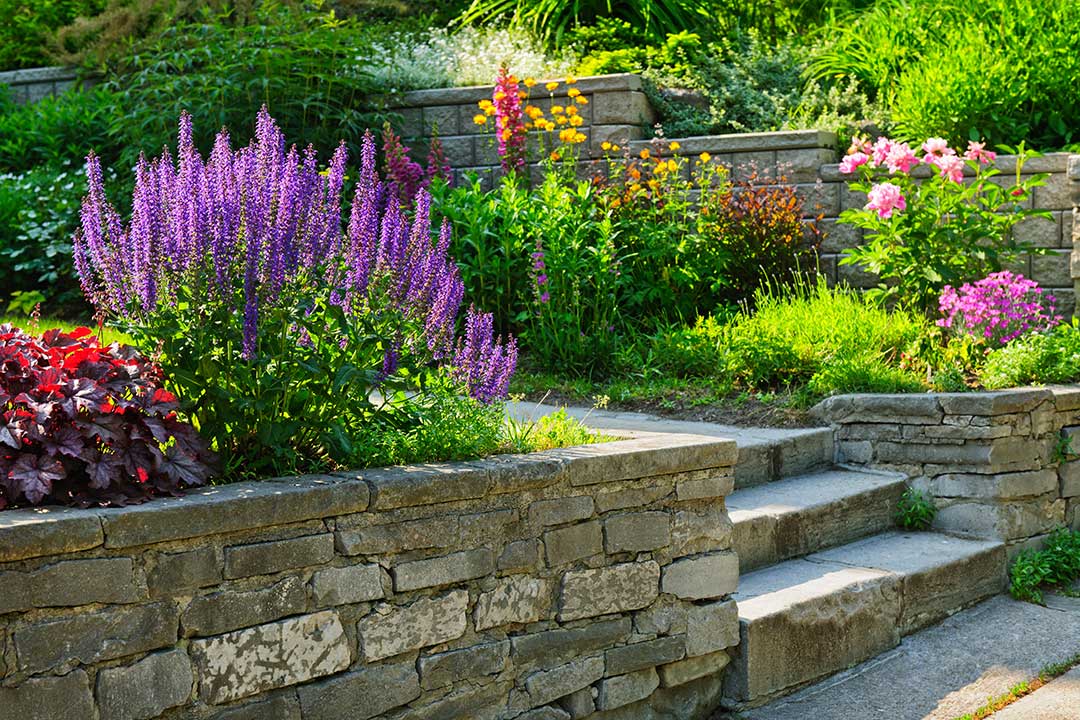
Mix these right in the bed with a shovel and rake before planting. If filling several beds, you can order soil blends by the cubic yard to save time.
Raised beds dry out faster than in-ground plots, so adding a 2–3 inch layer of mulch after planting helps conserve water and stabilize soil temperature. Locally available options include straw, shredded leaves, or wood chips.
How Often Will a Raised Bed Need Watering in Big Spring’s Climate?
Due to hot, windy days and rapid drainage, raised beds typically require more watering than ground-level gardens, especially during summer. Check the top inch of soil every other morning; if it’s dry, a thorough soak is needed.
- Spring: Water 2–3 times per week
- Summer: May require daily watering during heatwaves
- Early fall: Once or twice per week, as temperatures decline
Drip irrigation or soaker hoses are helpful for even coverage and can be left connected to a timer to reduce manual effort during dry spells.
Are There Any Local Considerations When Selecting Plants?
Opt for heat-tolerant, drought-resistant varieties that thrive in the city’s environment. Tomatoes, peppers, onions, beans, squash, and okra perform well in raised beds here. Leafy greens and herbs can also do well in the cooler months, but may need partial shade cloth if a late heatwave arrives.
Plant after the last frost, which for the city is typically in mid to late March. Beds can be replanted in late summer for a second fall crop, just be sure to water consistently as young seedlings establish.
What Challenges Do Beginners Often Face?
A few pitfalls are common when building raised beds:
- Underestimating the amount of soil needed—calculate volume before starting: Width (feet) × Length (feet) × Depth (feet) = Cubic feet
- Placing beds where shade from buildings or trees reduces sunlight below the 6-hour minimum
- Using poor-quality wood that warps or decays too quickly under local weather fluctuations
- Overwatering during the cooler months or underwatering during dry, windy spells
- Forgetting to mulch, leading to fast soil drying
Experience will help refine your approach. Sharing tips and garden experiences with other community members can make adapting to local challenges much easier.