
 See My Latest Article on HelloNation
Which Tree Species Thrive Best Near Homes in Big Spring, TX?
Many residents of Big Spring, TX seek trees that offer beauty, shade, and resilience to local conditions. Not all tree species are suitable for planting close to homes due to soil, wind, heat, and water realities typical of the area. Ideally, look for species adapted to alkaline soils, drought-prone summers, and the risk of occasional freezing.
Some of the most practical choices include:
- Texas Red Oak: Deciduous, provides dense shade, and adapts to the region’s limestone soils.
- Cedar Elm: Known for its tolerance to drought and ability to handle alkaline ground.
- Hackberry: This native can withstand poor soil and is generally low-maintenance.
- Lacebark Elm: With a striking bark and good canopy, this elm offers resilience against heat and moderate drought.
- Desert Willow: A smaller ornamental tree with showy summer blooms and minimal water needs.
Including native or well-adapted trees means less supplemental watering and fewer pest issues for local households.
How Close Should Trees Be Planted to Your House?
Trees planted too near a home can create future problems with roots, foundations, gutters, or siding. Aim to plant medium-to-large shade trees at least 15-20 feet away from the house. For smaller ornamental types, a 10-15 foot buffer is generally safe.
Consider the following when selecting the planting spot:
- Mature canopy width—visualize the full-grown spread.
- Underground utilities—identify locations before digging.
- Wind patterns—larger trees can shield west-facing windows from summer sun.
This simple spacing guideline helps prevent branches from overhanging the roof and roots from disturbing sidewalks or pipes.
What Are Common Mistakes Local Residents Make When Choosing Trees?
The most frequent errors involve planting fast-growers that aren’t well-suited for local conditions or opting for invasive species. Trees such as Silver Maple or Bradford Pear can cause more trouble than they’re worth, including weak wood, invasive roots, and mess during storms.
Residents sometimes underestimate water requirements or plant species that suffer in alkaline soil, leading to stunted growth or premature decline. Extra caution is warranted with:
- Fruitless Mulberry: Susceptible to wind damage and pests.
- Arizona Ash: Grows quickly but often short-lived and prone to splitting.
Instead, select species proven across many seasons, even if they grow more slowly.
Are There Trees That Can Help With Summer Cooling?
Yes, well-placed trees provide significant cooling during Big Spring's hot months. Deciduous varieties are ideal because their leaves offer shade in summer and allow sunlight through in winter. Shade trees planted on the south or west sides of a home can noticeably reduce cooling costs.
Examples of effective shading trees for this area:
- Live Oak: A broad, dense canopy on mature trees creates deep shade.
- Bur Oak: Very tolerant of local heat and drought, and grows to impressive size.
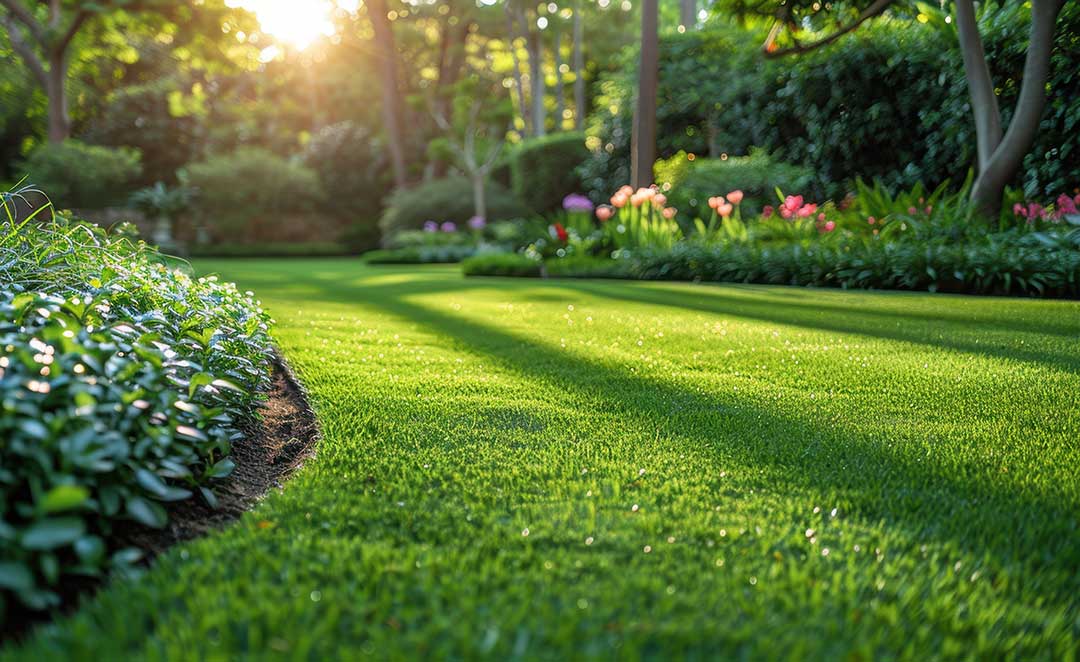
For best results, ensure new trees get a deep initial watering during dry periods until fully established.
What Maintenance Factors Should Be Considered?
Choose trees that match the level of care you’re willing to provide. Some require more pruning, raking, or watering, while others are relatively “set-and-forget.” Most of the region’s recommended shade trees drop leaves in fall but rarely require special treatments.
Maintenance factors locals should weigh:
- Pest and disease resistance
- Frequency and height of pruning
- Seed or fruit drop—important for patios or sidewalks
- Lifespan and likelihood of storm damage
Selecting proven, low-fuss species means less worry about falling limbs or unexpected maintenance needs.
How Do Local Climate and Soil Affect Tree Selection?
Big Spring’s hot summers, occasional ice, alkaline soil, and moderate wind events make native or adaptable trees a logical choice. Many traditional garden favorites struggle in these conditions, so research or ask for varieties labeled “native” or “Texas tough.”
A soil test can offer insight if you’re unsure about exact conditions in your yard. Most importantly, avoid species with high water requirements or those susceptible to windbreak problems, as these often struggle long-term.
Can Trees Improve Property and Neighborhood Value?
Strategically chosen and placed trees can enhance both curb appeal and long-term value for area homes. They contribute to outdoor living, attract wildlife, and even offer modest protection from west Texas winds and dust.
The greatest value is achieved with healthy, mature trees that fit the scale of the landscape and are cared for over time. Mismatched species or those requiring frequent replacement offer limited benefit by comparison.