

 See My Latest Article on HelloNation
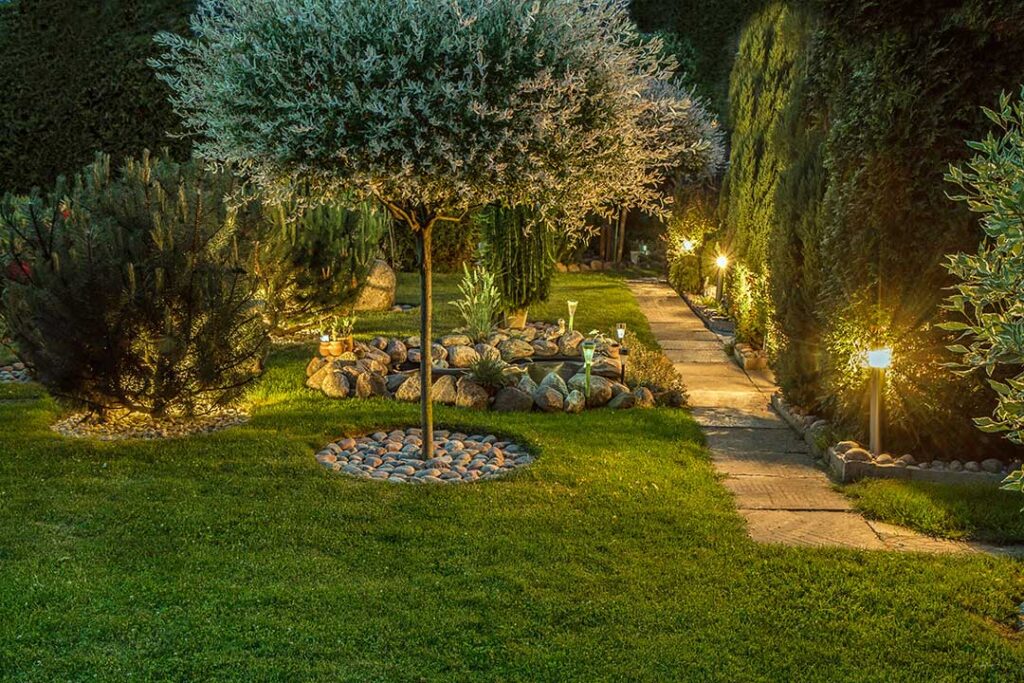
How Does Climate Affect Lawn Health in Big Spring, TX?
Warm, windy conditions and limited rainfall shape how lawns grow and what care they need in Big Spring, TX. Local residents deal with hot summers, mild winters, and long stretches without significant rainfall, making water management and soil health key concerns. Grass species like Bermuda and Buffalo are favored for their drought tolerance, but all lawns here benefit from special attention tailored to local conditions.
What’s the Best Way to Water a Lawn in a Dry Climate?
Deep, infrequent watering encourages grass roots to grow deeper, making lawns more drought-resistant. In Big Spring, apply about 1 inch of water to each area once a week rather than light daily sprinkling. Watering in the early morning reduces water loss from evaporation and limits fungal diseases. During prolonged dry spells, lawns may go dormant, turning brown but not necessarily dying—avoid overwatering in an attempt to "green up" dormant grass.
- Use a can or rain gauge to measure how much water sprinklers deliver
- Adjust watering if you notice runoff, as compacted soil or slopes may prevent good absorption
- Always comply with local water use regulations, especially if restrictions are in place
Which Lawn Grasses Thrive Locally?
Selecting the right grass species ensures a healthier, lower-maintenance lawn. In the Big Spring area, warm-season grasses like Bermuda, Buffalo, and Zoysia do best. These types tolerate the heat, periods of drought, and common soil conditions.
Common misconceptions include:
- Trying to grow cool-season grasses (like Kentucky Bluegrass) that struggle in extreme heat and may need excessive water
- Assuming all Bermuda varieties perform the same—some hybrid types offer better resilience
How Should Lawns Be Mowed for Long-Term Health?
Cutting grass too short can stress it, particularly under harsh sun and wind. Mowing height matters: aim to cut no more than one-third of the grass blade at a time. For Bermuda and Buffalo grasses, mowing at 1.5-2.5 inches keeps turf dense enough to shade out weeds and keeps roots protected.
- Always mow with a sharp blade to prevent tearing, which can increase disease risk
- Mow when grass is dry to reduce clumping and fungus spread
- Leave clippings in place ("grasscycling") to conserve moisture and add nutrients naturally
Why Does Soil Quality Matter So Much?
Healthy lawns rely on healthy soil. The caliche and clay soils around Big Spring can become compacted, reducing water infiltration and root growth. Aerating the lawn once a year—preferably in late spring—helps relieve compaction and improves absorption. Topdressing with finished compost or screened soil also adds organic matter and enhances drought resilience.
- Avoid using “weed and feed” products excessively, as salts can build up in local soils and stress turf
- Consider a soil test every few years to guide fertilizer choices more effectively
How Should Fertilizer Be Used Safely and Effectively?

Fertilizer supports growth, but local lawns often need less than people think. Use a slow-release, nitrogen-rich fertilizer once or twice per year, ideally in late spring and again in midsummer if needed. Applying too much fertilizer, or using it during the peak of summer stress, can burn grass and pollute local water sources.
- Always sweep excess fertilizer from sidewalks and driveways to keep it out of storm drains
- If recent soil tests show adequate nutrients, reduce application to prevent run-off
What Are Signs of Lawn Stress and How Can They Be Addressed?
Discoloration, thinning patches, or visible weeds signal that your lawn may need attention. In Big Spring, common stressors include drought, compacted soil, and pests like grubs or chinch bugs. Spot-treating affected areas, improving watering practices, and maintaining mowing routines often resolve many issues.
If you notice rapid browning, digging animals, or large irregular patches, a careful inspection can help determine if insects are to blame. When using pesticides or herbicides, always follow label instructions precisely and avoid using them before heavy rains to limit environmental impact.
What Lawn Care Tasks Should Be Done Seasonally?
Timing is critical to make the most of routine care. For area residents, the typical calendar looks like this:
- Early spring: Rake up debris, aerate if needed, and mow before applying fertilizer
- Late spring to early summer: Fertilize, adjust mowing height upward as temperatures rise
- Summer: Water deeply as needed, mow regularly but avoid stressing grass during peak heat
- Fall: Lower mowing height slightly, overseed thin spots, and continue watering
- Winter: Limit traffic on dormant grass and keep debris off to prevent mold or disease
Are Native Landscaping Techniques Useful for Lawns Here?
Integrating native and adapted plants along lawn borders or replacing small turf spaces can reduce overall maintenance and water use. Xeriscaping with local groundcovers, mulch, or decorative rock in hard-to-grow areas helps reduce the patchy appearance common after dry summers, making the landscape easier to manage and more resilient.